 Alan Morton-Smith
Mindreign.com
29/09/2009
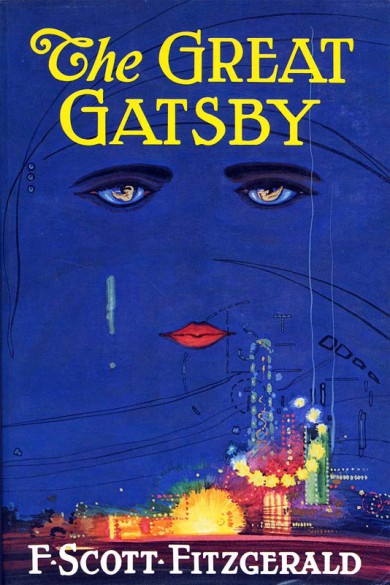
The Great Gatsby is a much-lauded book, and for good reason. It deals with a darker side of the American Dream, and charts the life of the eponymous Jay Gatsby — a mysterious, wealthy individual who is forever throwing extravagant parties for the great and the good at his beachfront mansion. He seems to have it all, yet is the subject of much hushed speculation by his guests. It’s through the narrator Nick Carraway that we are able to slowly piece things together, as he ends up moving next door, and eventually becomes entangled in Gatsby’s life.
The novel is set in the early 1920s, with Prohibition in full swing, and repercussions from the First World War still being keenly felt. Before he left to serve in the Army in Europe, Gatsby had fallen madly in love with Daisy, a girl from a wealthy Southern family. The aftermath of this time spent away, when he eventually gets back to the US, is what produces the tension and drives the plotline.
When he wrote this in 1924, Fitzgerald was 28 and already had two commercial and critically successful novels under his belt, and was approaching the height of his fame. Elements of the story are taken from his own life, including grand parties he hosted in Long Island that were driven by alcohol. A year of such largesse led to him being deeply in debt, to the tune of $5,000. But he hunkered down and wrote stories to pay this off, and with the leftover proceeds eventually moved to the French Riviera to focus all of his creative energy on this work. It certainly paid off.
At one point there are some interesting (and possibly autobiographical) reflections on approaching thirty. Carraway puts it in this amusingly bleak way: “Thirty — the promise of a decade of loneliness, a thinning list of single men to know, a thinning briefcase of enthusiasm, thinning hair.” The style of writing throughout is wonderful, with many such delightful turns of phrase and reflections on humanity, often with a bracing dash of cynicism, for good measure.
During the course of its pages, we discover more about Gatsby’s extraordinary leap from rags to riches, his pursuit of a single dream, and ultimately its unravelling. It deals in a very poignant way with the longing for something that is just beyond reach, and serves as a fascinating critique on American ambition. When it was first published, it received mixed reviews and relatively poor sales. In 1939 it had even gone out of print! This unfortunately resulted to Fitzgerald’s confidence beginning to flag, and was an element in his long decline. Thankfully, the novel is now rightly considered a classic, and has often been referred to as a “Great American Novel”, which caught the spirit of life in the United States during the jazz age. It’s well worth a read, old sport.
Leave a Reply